Experiment with Mixed Techniques: Create Unique Expressions in Your Visual Art
Experiment with Mixed Techniques: Create Unique Expressions in Your Visual Art
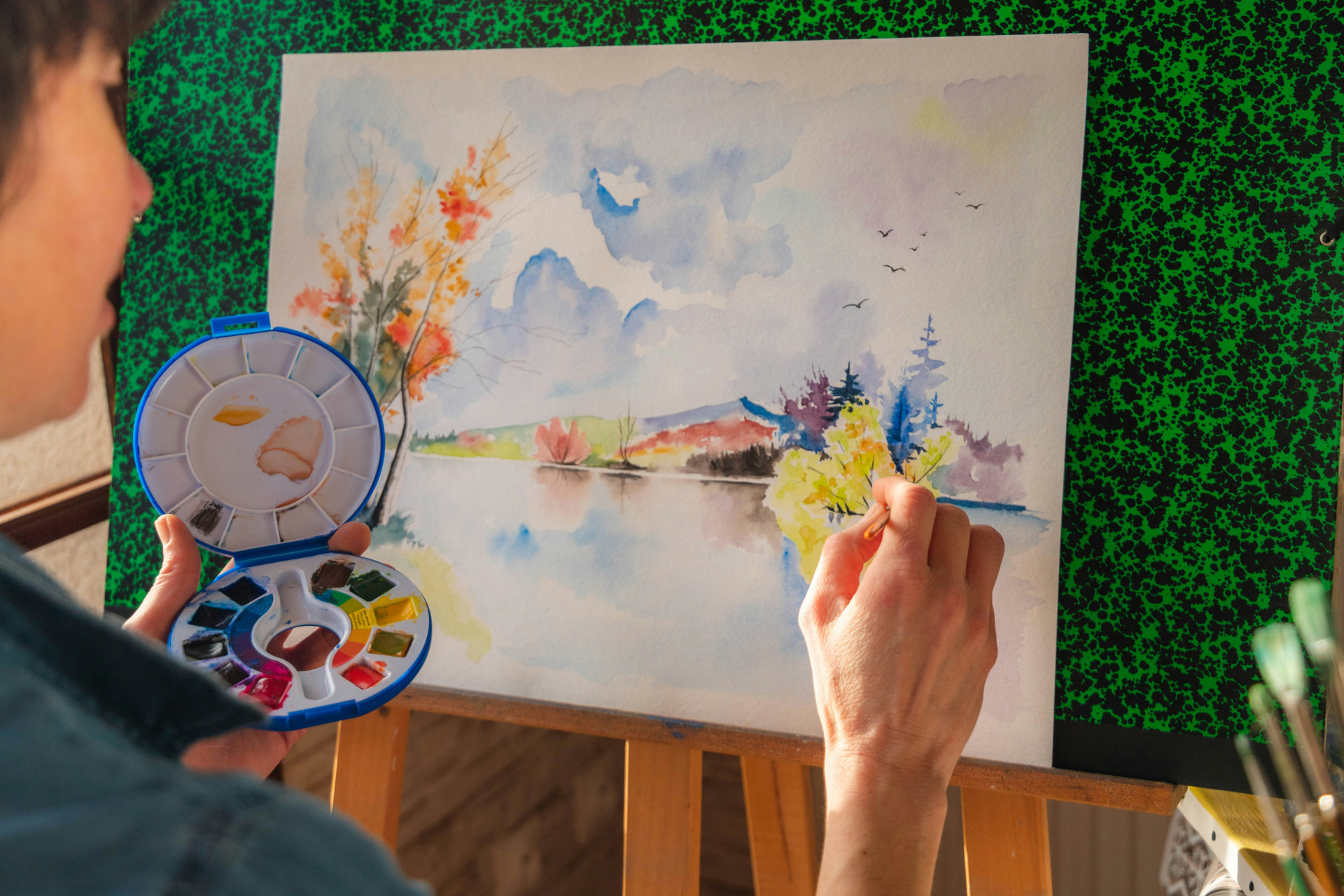
Creating visual art isn’t just about mastering one medium—it’s about daring to explore. When you combine different materials and methods, you open the door to new textures, moods, and expressions that make your work truly your own. Mixed media art is a playful, exploratory approach that invites curiosity and intuition to take the lead.
Here’s how you can start experimenting with mixed techniques—whether you’re a beginner or an experienced artist looking to expand your creative range.
What Does “Mixed Media” Mean?
Mixed media refers to any artwork that combines more than one material or medium in a single piece. It could be as simple as layering acrylic paint with collage and ink, or as adventurous as incorporating fabric, sand, newspaper, or found objects into your composition.
The goal isn’t to follow strict rules but to create something that feels alive and unique. When you work with different materials, unexpected effects often emerge—and that element of surprise is part of the magic.
Læs også:
Choose Your Base—Canvas, Paper, or Something Else Entirely
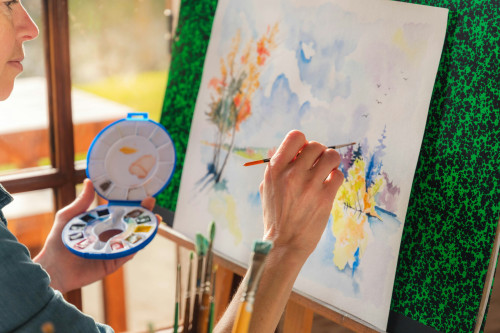
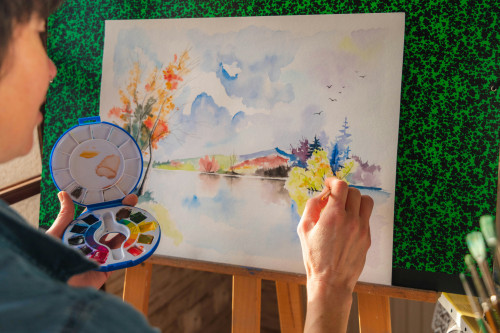
Start by selecting a surface that suits your project. A traditional stretched canvas is always a solid choice, but you can also use heavy watercolor paper, wood panels, or even repurposed materials like cardboard, old book pages, or thrifted picture frames.
Think about how the surface influences your final look. A rough canvas adds texture, while smooth paper highlights fine details. You can also prime your surface with gesso or a layer of paint to create a neutral foundation before building up layers.
Play with Layers and Texture
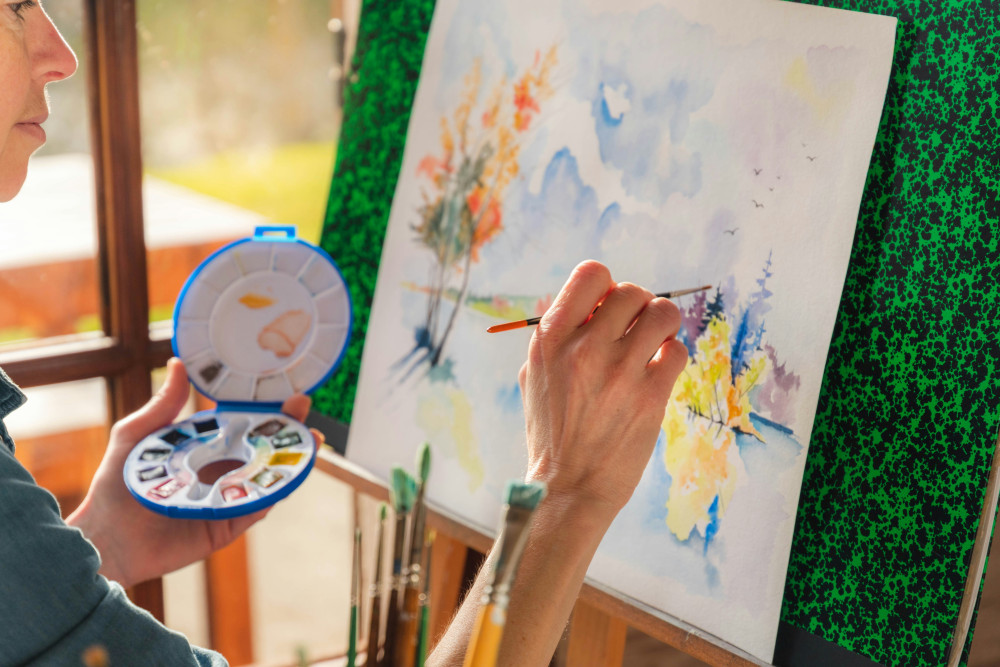
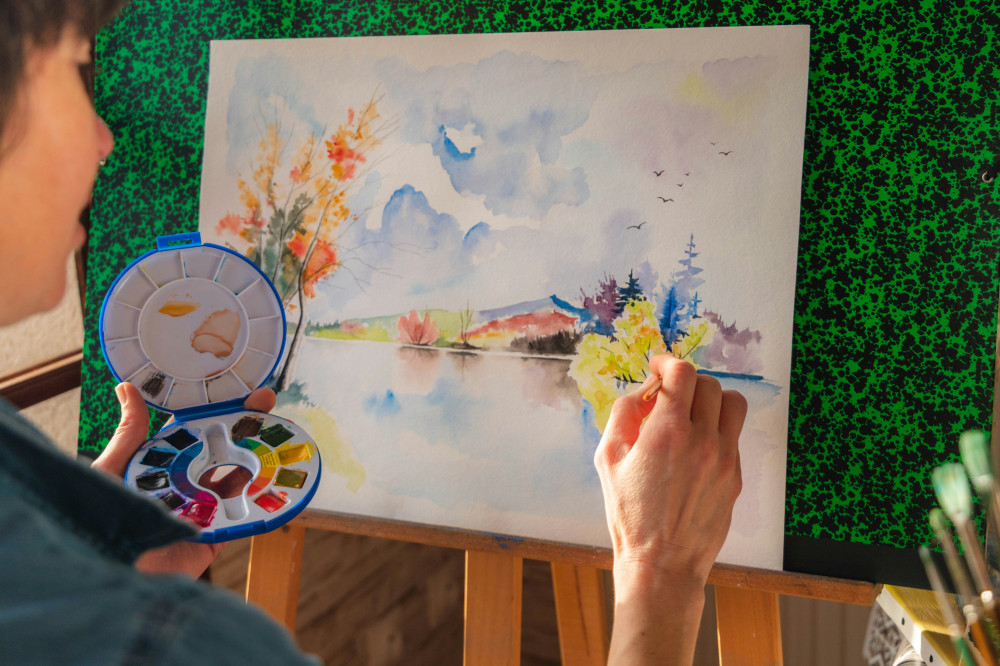
One of the most exciting aspects of mixed media is layering. Begin with a background—perhaps paint, watercolor, or a print—and then build on it with collage, stamps, chalk, or ink.
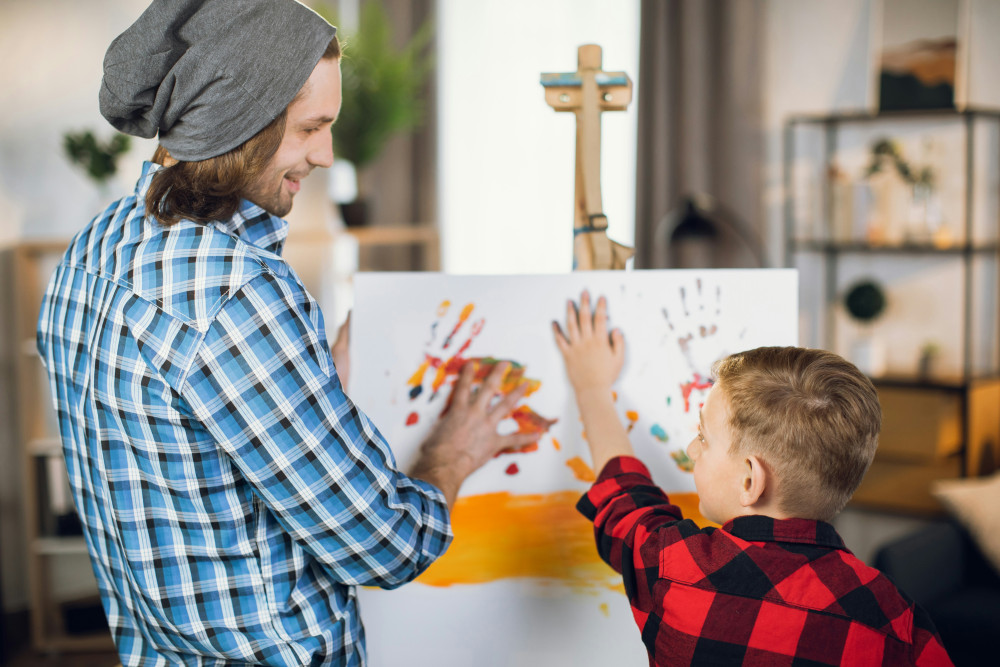
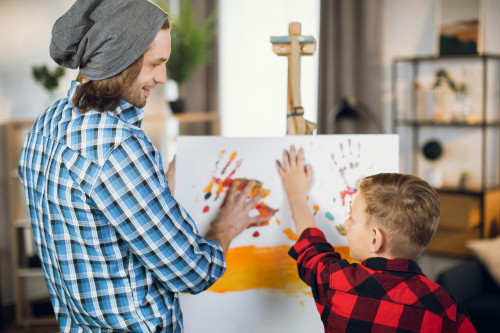
Use brushes, sponges, palette knives, or even your hands to apply materials. You can create depth by letting some layers show through while partially covering others.
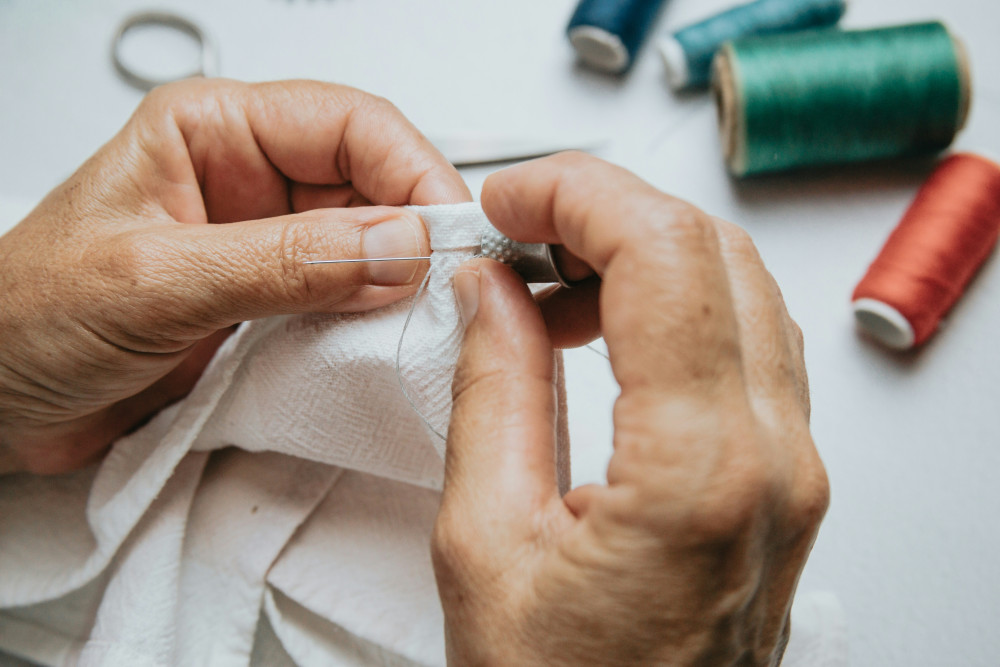
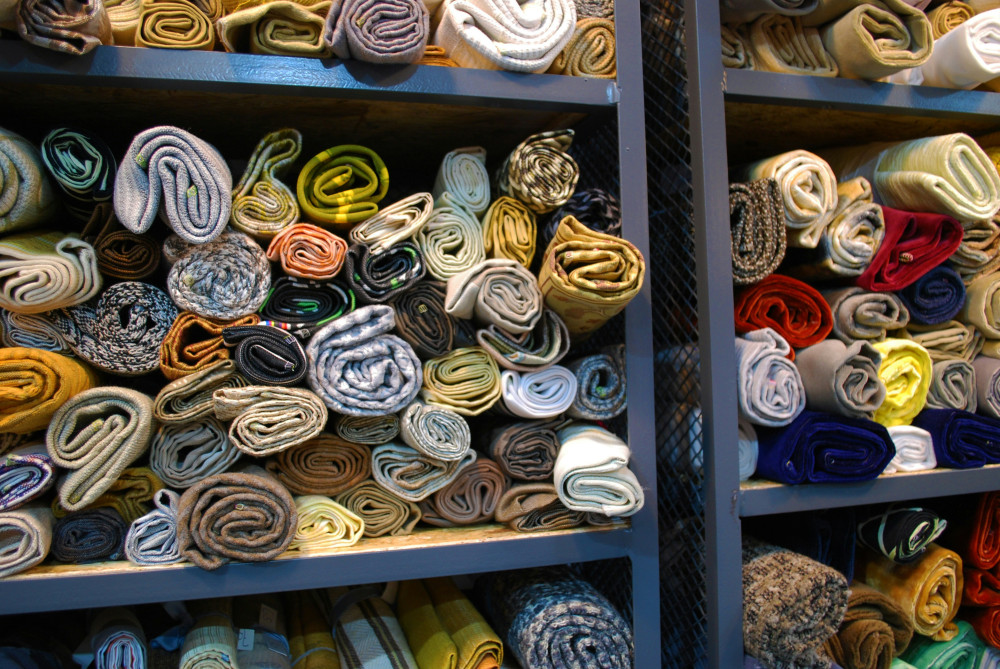
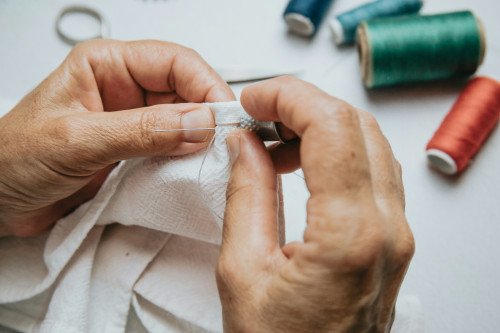
To add texture, experiment with modeling paste, fabric scraps, sand, or textured paper. These tactile elements give your artwork a physical presence that invites viewers to look—and sometimes even to touch.
Combine Colors and Materials Thoughtfully
While experimentation is key, it’s worth considering how your colors and materials interact. A cohesive color palette can tie your piece together, even when you’re using a wide range of elements.
Try working with contrasts—glossy versus matte, smooth versus rough, light versus dark. These opposites create visual energy and make your work more engaging.
A helpful tip: take photos as you go. Seeing your piece from a distance or in different stages can help you decide when to add more—or when to stop.
Use Recycled and Everyday Materials
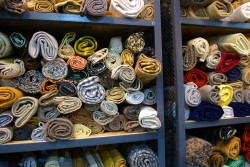
Mixed media doesn’t have to be expensive. Look around your home or studio—there’s creative potential everywhere. Old magazines, fabric scraps, string, buttons, packaging, or even coffee filters can become part of your art.
By reusing materials, you not only add personality and sustainability to your work but also challenge yourself to see beauty in the unexpected. Many American artists are embracing this eco-conscious approach, turning discarded items into meaningful visual statements.
Let Go of Perfectionism
When working with mixed techniques, it’s important to release the idea that everything must be “perfect” or planned. Some of the most compelling results happen when you take risks and let the process guide you.
Allow yourself to experiment without worrying about the final outcome. The piece might not turn out exactly as you imagined—but it might turn out even better.
Art, at its core, is about expressing something personal. That often means embracing imperfection and spontaneity.
How to Get Started
If you’re ready to try mixed media, start small with a simple project:
- Choose a surface—like a sheet of watercolor paper or a small canvas.
- Create a background using acrylic paint or watercolor.
- Add collage elements—such as cutouts, text, or fabric.
- Draw or paint over the collage with ink, pencil, or pastel.
- Finish with a protective layer of varnish or medium.
As you grow more comfortable, you can expand to larger formats, more complex layering, and new materials.
A Personal Expression That Evolves with You
Mixed media is a journey of discovery. Each piece reflects your process, your choices, and your curiosity. Whether your style leans abstract or figurative, combining materials can bring depth and energy that a single medium can’t achieve on its own.
So gather your brushes, glue, and found treasures—and let the experiment begin.
Læs også: