Know Your Style: Use Mood Boards and Images to Find Your Style Direction

Know Your Style: Use Mood Boards and Images to Find Your Style Direction
Finding your personal style can feel like trying to navigate without a map. Maybe your closet is full, yet you still feel like you have nothing to wear. Or perhaps you admire other people’s outfits but can’t quite figure out how to make that look your own. A mood board — a visual collection of images, colors, and textures — can be a powerful tool to help you define your style direction. Here’s how to use images and inspiration to discover what truly feels like you.
Why a Mood Board Makes a Difference
A mood board helps you see patterns in what you’re drawn to. When you gather images of outfits, fabrics, colors, and moods, you start to notice recurring themes — maybe you’re consistently attracted to clean lines, earthy tones, or bold prints. Seeing everything together gives you clarity about what you actually like, rather than what you think you should like.
You can create a mood board physically or digitally. Cut out images from magazines and glue them onto a poster board, or use digital tools like Pinterest, Canva, or even a simple photo album on your phone. The key is to collect visuals that speak to you.
Læs også:
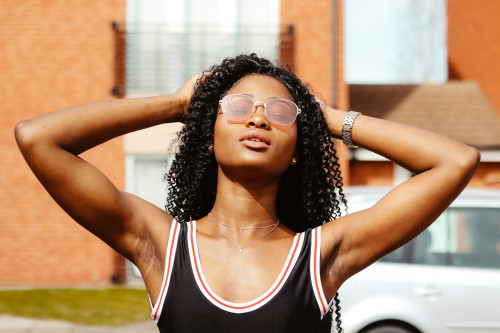
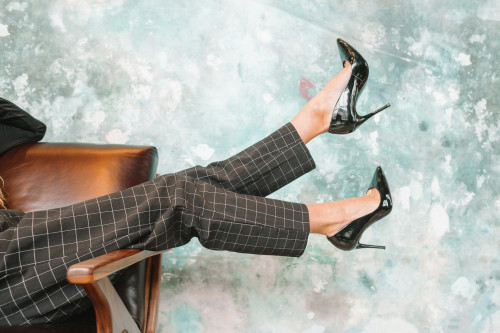
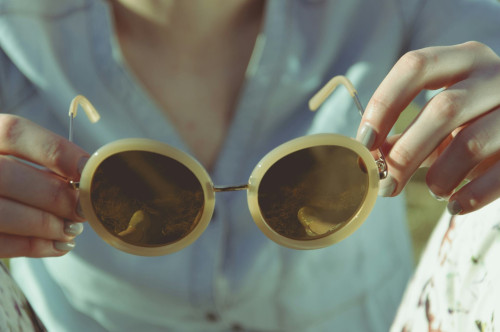
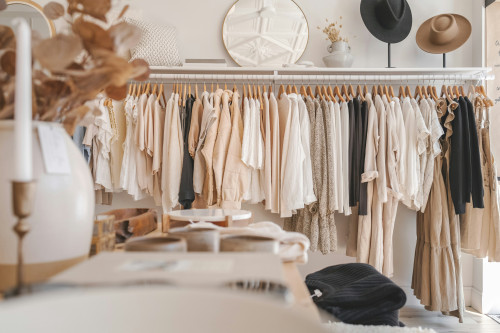
How to Create Your Own Mood Board
- Start with inspiration – Explore fashion blogs, magazines, social media, and online stores. Save images of outfits, colors, and accessories that catch your eye — even if you’re not sure why.
- Gather and sort – Once you have a good collection, look for patterns. Do you see a lot of denim, tailored pieces, or flowy fabrics? Are the colors mostly neutral or bright?
- Select your key images – Choose 10–15 images that best represent the vibe you want. These might include color palettes, textures like leather or silk, or specific outfit silhouettes.
- Give your board a name – A name like “Modern Minimalist,” “Coastal Boho,” or “Urban Classic” helps you define your direction and remember the feeling you’re going for.
- Keep it visible – Hang your board somewhere you’ll see it often, or save it as your phone wallpaper. Use it as a reference when shopping or organizing your closet.
Identify Your Style Type Through Images
Once your mood board is complete, take a closer look at what it reveals about your style. Many people fall into categories like classic, bohemian, sporty, romantic, or minimalist — but most of us are a mix. Maybe you’re classic with a touch of boho, or minimalist with a pop of color.
Pay attention to:
- Colors – Are they soft and muted, warm and earthy, or bold and high-contrast?
- Silhouettes – Do you prefer structured pieces or relaxed, flowing shapes?
- Materials – Are you drawn to natural fabrics like cotton and linen, or sleek, modern textures?
- Mood – What feeling do the images give you? Calm, creative, elegant, or playful?
These details help you translate your visual inspiration into real-life wardrobe choices.
From Mood Board to Closet
Once you’ve defined your style direction, use your mood board as a practical guide. Go through your closet and see which pieces fit your new vision — and which don’t. The goal isn’t to replace everything, but to create harmony.
- Keep what feels right – The pieces you love wearing most likely align with your style.
- Add intentionally – When shopping, ask yourself if a new item fits your mood board.
- Build slowly – Personal style evolves over time. Let your mood board guide you, not restrict you.
Make It Personal
Your mood board isn’t just about clothes — it’s about identity. Include images that reflect your lifestyle and values: nature, architecture, art, or travel destinations. This gives you a more holistic picture of who you are and how you want to express yourself.
When you look at your mood board, it should feel like you. That’s when you know you’ve found your style direction — not in trends or rules, but in authenticity.
A Style That Grows With You
Your style isn’t static. It changes with your life, your work, your interests, and your mood. Update your mood board a few times a year to keep it fresh and relevant. It’s a great way to stay connected to what still feels right and let go of what no longer fits.
Ultimately, knowing your style is about feeling confident and comfortable in what you wear — and using images and inspiration as a mirror that reflects who you are and who you’re becoming.
Læs også: