Living On Without Letting Go – Finding Balance Between Loss and Everyday Life


Living On Without Letting Go – Finding Balance Between Loss and Everyday Life
When we lose someone we love, the world changes. Life around us keeps moving, but inside, time seems to stop. How do we find balance between holding on to the person we’ve lost and continuing to live our everyday lives? It’s a question many people face as grief slowly begins to blend with the rhythm of daily life.
Grief as a Part of Life – Not a Phase to Get Over
For a long time, people have talked about grief as something to “get through” or “move past.” But in truth, grief rarely disappears. It transforms. Over time, it shifts from an all-consuming pain to a quiet companion that reminds us of the love we shared.
Accepting that grief has a place in our lives is an important step. It’s not a sign of weakness or failure—it’s a reflection of meaning. Instead of asking ourselves how to “get over it,” we might ask: How can I live with this loss and still move forward?
Everyday Life as a Healing Force
In the midst of grief, daily routines can feel meaningless or overwhelming. Yet those same routines—making coffee, walking the dog, going to work, talking with a friend—can slowly help us reconnect with life.
It’s not about ignoring the pain, but about creating structure and rhythm that make space for both sorrow and calm. Setting small goals can help: returning to work for a few hours, cooking a meal, or attending a social event. Each small act becomes a step toward regaining balance.
Keeping the Connection – Without Being Trapped in the Past
Moving forward doesn’t mean forgetting. In fact, finding ways to stay connected to the person we’ve lost can be deeply healing. It might be through photos, rituals, letters, or small gestures woven into daily life.
Some people light a candle on special days, visit a meaningful place, or keep a quiet conversation going in their hearts. These acts can keep love alive without letting grief take over. The key is that the connection feels supportive, not heavy. When memories are allowed to live alongside us, they can bring comfort instead of pain.
When Others Want to Help – But Don’t Know How
Many grieving people find that friends and family pull away, not out of indifference, but because they don’t know what to say. This can feel isolating, but often it’s uncertainty, not lack of care. Being open about what you need—whether it’s talking about your loved one, being invited out, or simply having someone listen—can make a difference.
It can also help to seek out communities where others understand what you’re going through. Support groups, online forums, or local organizations can offer a sense of recognition and hope. Sharing experiences with others who have walked a similar path can remind you that you’re not alone.
Finding Meaning in What Remains
Over time, many people discover that grief evolves into something more than loss—it becomes a form of love and gratitude. We begin to carry the person’s influence with us: in how we live, the values we hold, and the relationships we nurture.
Some find meaning by engaging in causes or creative projects that honor their loved one’s memory. Others focus on living in a way that reflects what that person meant to them—by being kind, present, and open to life again.
Læs også:

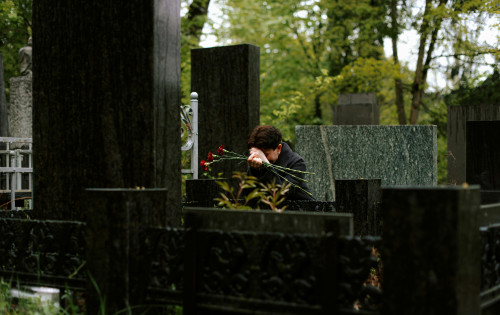

Living On – With Love as a Compass
Living on without letting go isn’t a contradiction. It’s a balance that takes time, patience, and self-compassion. Grief becomes part of our story, but it doesn’t have to define our future.
When we learn to carry our loss without being crushed by it, we can rediscover joy in everyday life. Not because we’ve forgotten, but because we’ve found a new way to love—through memory, through action, and through the quiet strength that keeps us moving forward.
Læs også: