Eco-Friendly Eating: How Small Food Habits Make a Big Difference

Eco-Friendly Eating: How Small Food Habits Make a Big Difference
Eating sustainably doesn’t mean overhauling your entire diet overnight. It’s about making small, mindful choices that add up to a big impact—for the planet and for your own well-being. Every time you choose vegetables over meat, reduce food waste, or buy from local farms, you’re helping to lower your carbon footprint. Here’s how a few simple changes in your daily routine can make your meals more eco-friendly—without sacrificing flavor or enjoyment.
Eat More Plants, Less Meat
Meat production is one of the largest sources of greenhouse gas emissions in the food industry. You don’t have to give up burgers forever, but cutting back on meat and adding more plant-based meals can make a real difference.
Try introducing one or two meatless days each week. Dishes made with lentils, beans, chickpeas, or tofu are filling, versatile, and delicious. From chili and tacos to stir-fries and salads, plant-based recipes can quickly become new favorites once you start experimenting.
Choose Seasonal and Local Produce
Buying fruits and vegetables that are in season helps reduce the energy used for transportation and storage—and often saves you money. Imported produce that travels thousands of miles has a much higher carbon footprint than locally grown options.
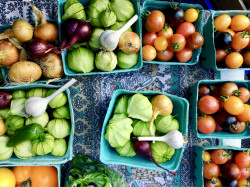
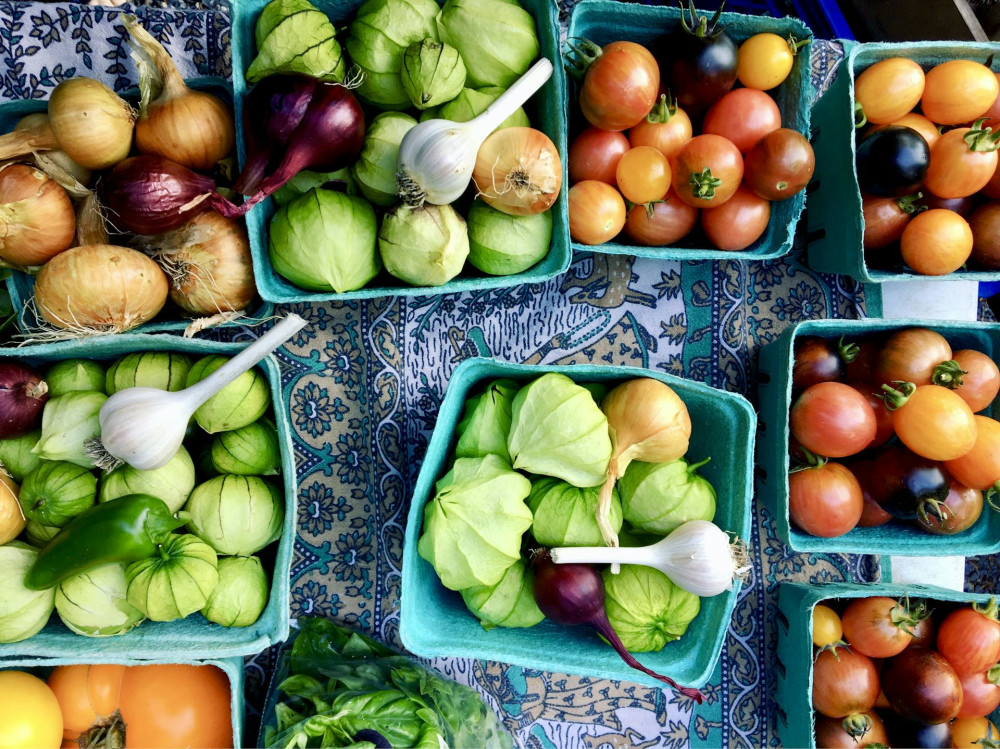
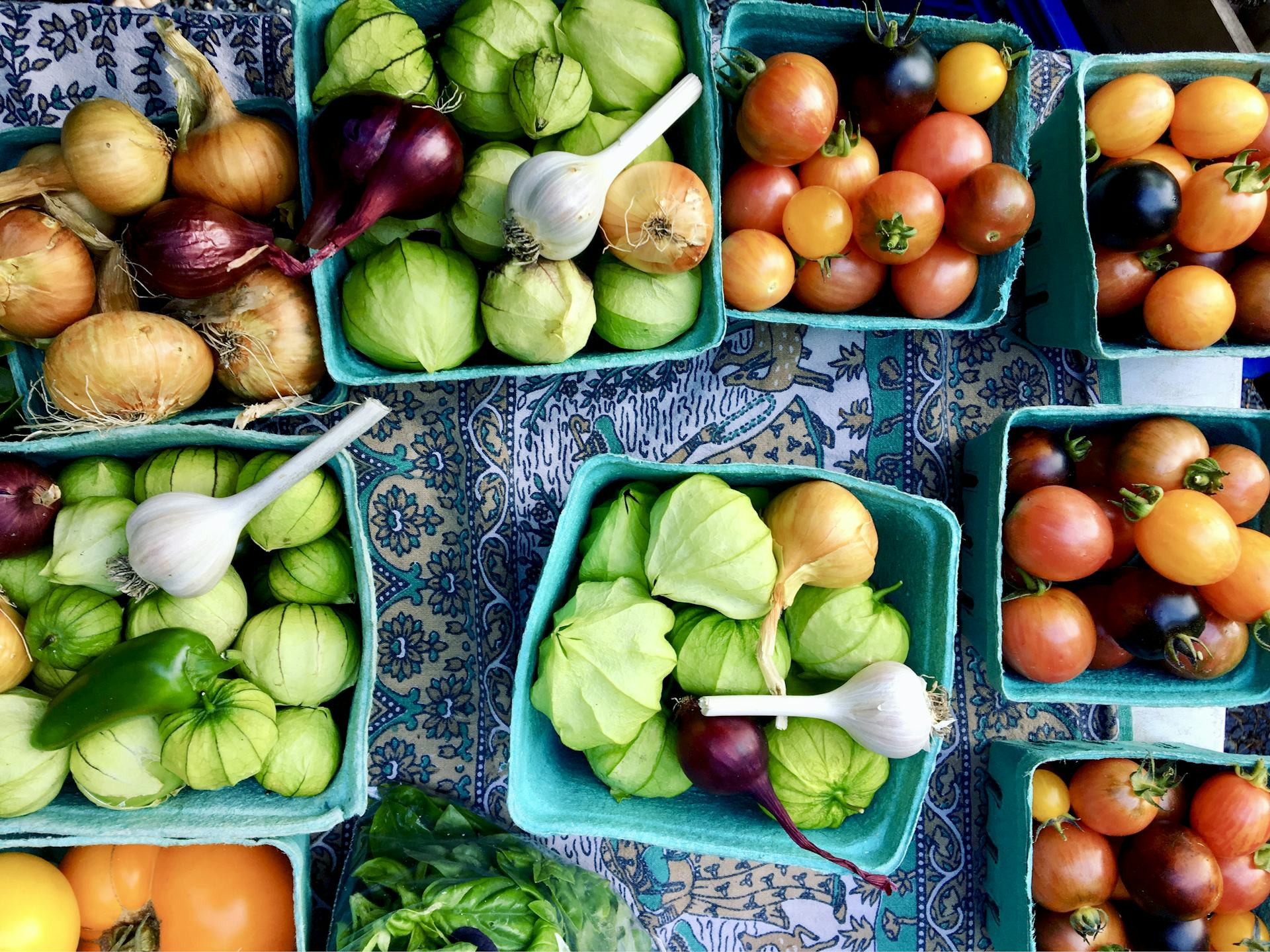
Look for farmers’ markets or local produce sections in your grocery store. In the U.S., that might mean apples, squash, and sweet potatoes in the fall, or berries, tomatoes, and corn in the summer. Supporting local farmers not only cuts down on emissions but also strengthens your community’s food system.
Cut Down on Food Waste
Roughly one-third of all food produced globally ends up being thrown away. In the U.S., the average household wastes hundreds of pounds of food each year—much of it still perfectly edible. By planning your meals and using leftovers creatively, you can save both money and resources.
- Make meal plans and buy only what you need.
- Turn leftovers into new dishes—use extra veggies in soups, omelets, or grain bowls.
- Freeze food before it spoils.
- Pay attention to date labels—“best by” doesn’t always mean “bad after.”
Small steps like these can make a big difference for your wallet and the environment.
Be Mindful of What You Drink
Beverages also have an environmental footprint. Tap water is far more sustainable than bottled water, and drinks like coffee, tea, and wine vary in their impact depending on how and where they’re produced. You don’t have to give up your morning coffee, but you can choose organic or fair-trade brands that prioritize sustainable farming and fair labor practices.
Make Green Choices Easy
Sustainable eating should fit naturally into your lifestyle. Start with small, manageable changes:
- Replace half the meat in your favorite recipes with beans or lentils.
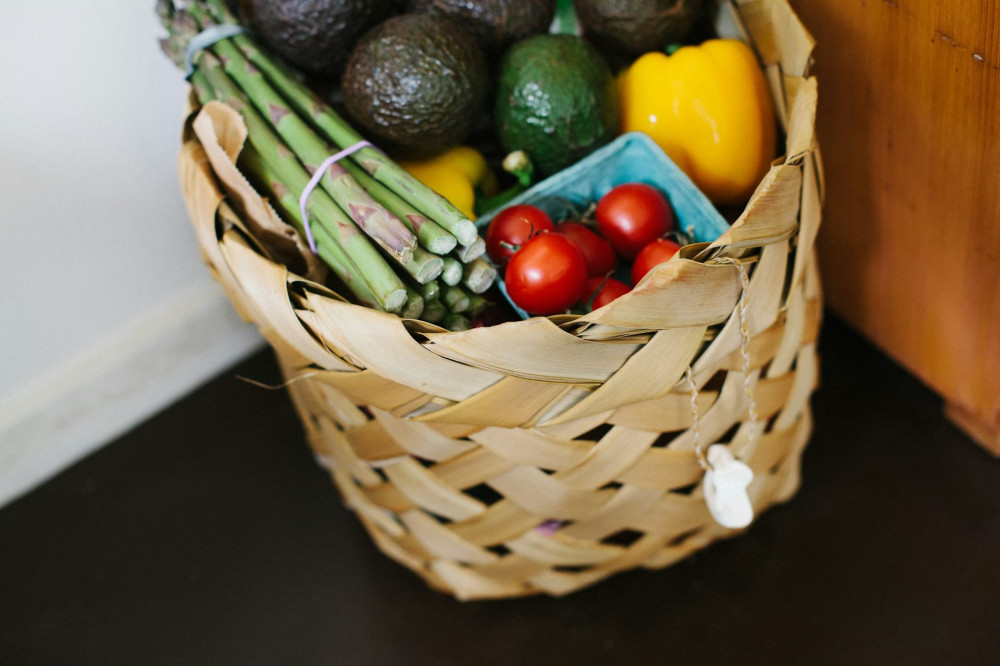
- Make vegetables the star of more meals.
- Keep frozen produce on hand—it’s convenient and helps reduce waste.
- Try new plant-based recipes to keep things interesting.
When eco-friendly choices are simple and tasty, they quickly become habits.
Læs også:



Good for You, Good for the Planet
Eating sustainably isn’t just about protecting the planet—it’s also about taking care of yourself. Diets rich in vegetables, whole grains, and legumes are packed with fiber, vitamins, and minerals, and many people find they have more energy and feel better overall.
Small changes in your eating habits can bring big rewards: you’ll be supporting a healthier planet while improving your own health. Sustainable eating doesn’t have to be complicated—it can start with something as simple as what you put on your plate today.
Læs også: