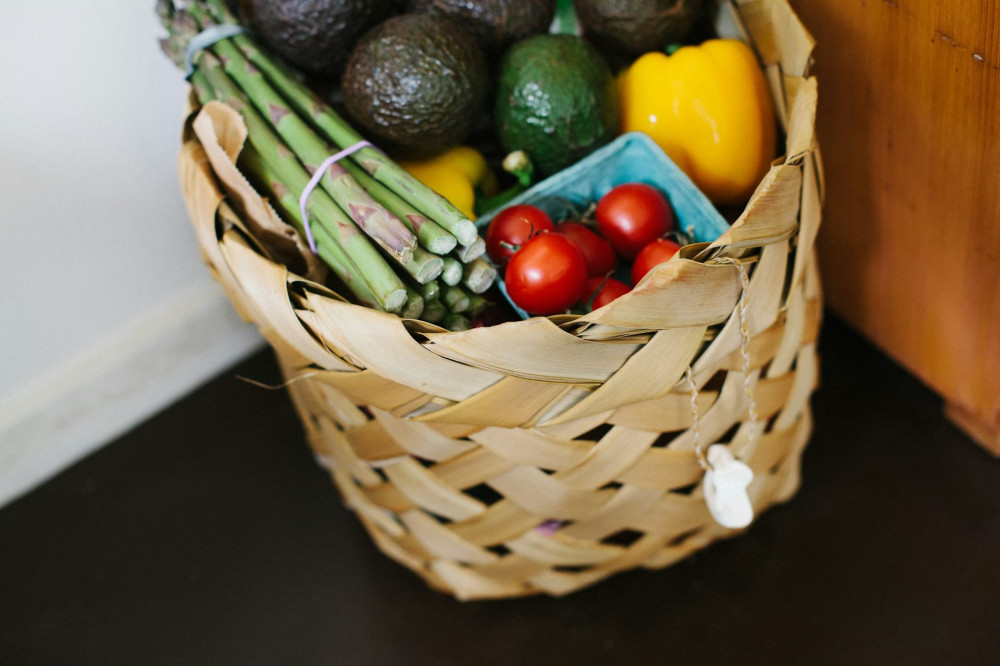
Fresh Ingredients, Better Flavor – How to Judge Quality and Freshness


Fresh Ingredients, Better Flavor – How to Judge Quality and Freshness
Fresh ingredients are the foundation of great cooking. Whether you’re tossing together a quick salad, grilling a steak, or baking bread, the quality of your ingredients makes a noticeable difference in flavor, texture, and nutrition. But how can you tell if your ingredients are truly fresh—and when they’ve passed their prime? Here’s a guide to help you choose the best ingredients and get the most out of every meal.
Fruits and Vegetables – Look, Smell, and Feel
When shopping for produce, your senses are your best tools.
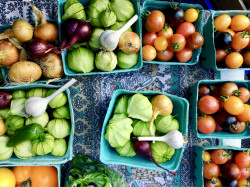
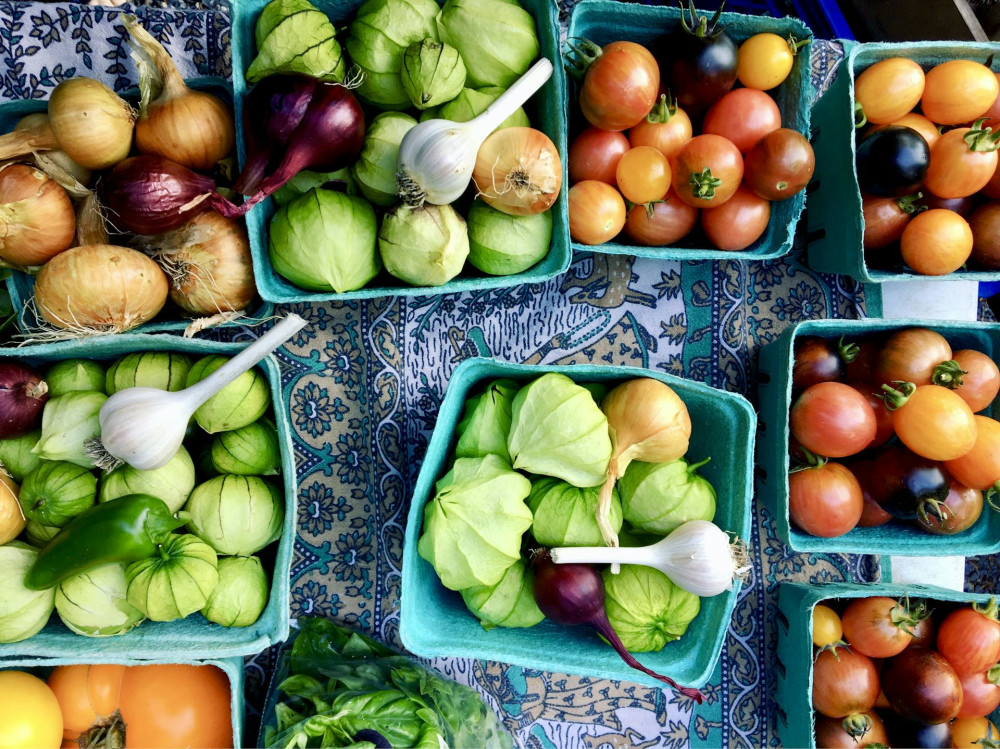
- Look at the color: Fresh fruits and vegetables have vibrant, rich colors. Dull or faded tones can mean they’ve been sitting too long.
- Feel the texture: Most produce should feel firm and crisp. A limp carrot or soft cucumber has lost much of its moisture and flavor.
- Smell the aroma: Fresh produce smells clean and natural. A sour or fermented odor is a clear sign that it’s overripe or starting to spoil.
Whenever possible, buy produce that’s in season. Seasonal fruits and vegetables are often grown closer to home, which means shorter transport times, better flavor, and higher nutritional value. Think of juicy summer peaches or crisp fall apples—freshness you can taste.
Meat – Freshness You Can See and Smell
The color and scent of meat reveal a lot about its freshness.
- Beef should be a deep, bright red with a slightly moist surface. If it looks gray or brown, it’s been sitting too long.
- Pork should be pink and firm. A sticky texture or sour smell means it’s past its best.
- Poultry should be pale and even in color, with no dark spots or off odors. Fresh chicken has almost no smell at all.
Keep meat cold and use it within a few days. If you can’t cook it right away, freeze it while it’s still fresh—quality is best when frozen early.
Læs også:


Fish – The Ultimate Freshness Test
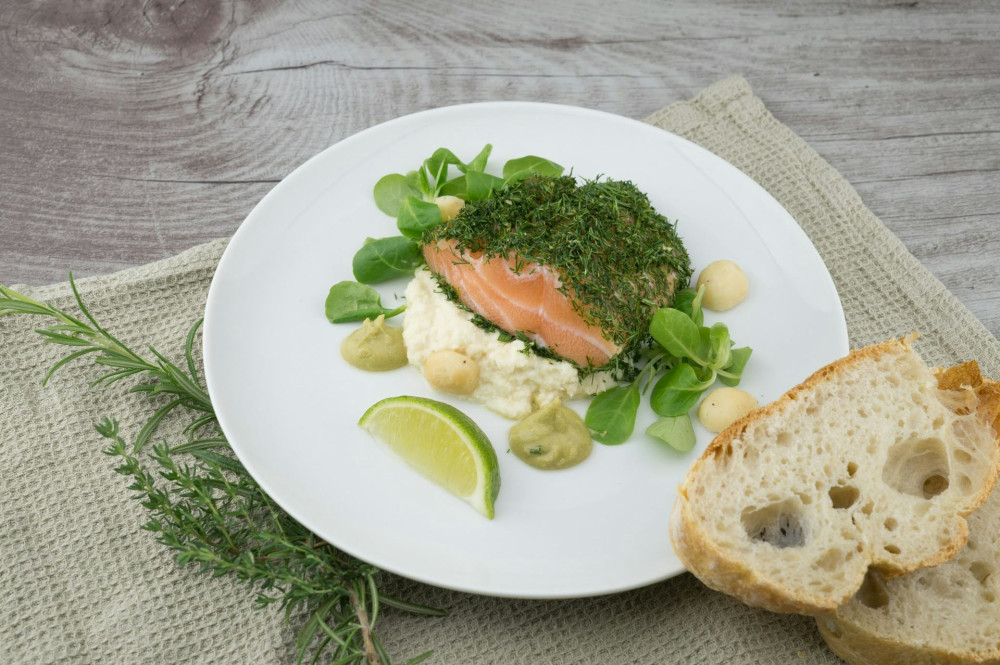
Fish is one of the most delicate ingredients, and freshness makes all the difference. A fresh fish should smell like the ocean, not “fishy.”
- Eyes should be clear and slightly bulging, not cloudy or sunken.
- Gills should be bright red or pink, not brown.
- Flesh should be firm and spring back when pressed.
If you’re buying fillets, look for a shiny surface and a clean, briny scent. Fish should be eaten the same day or the day after purchase, or frozen immediately to preserve quality.
Dairy – Subtle Signs of Change
Milk, yogurt, and cheese can vary widely in how long they stay fresh.
- Milk and cream should smell neutral and taste mild. A sour odor or curdled texture means they’ve gone bad.
- Yogurt may become tangier over time, but if it separates or shows mold, it’s time to toss it.
- Cheese develops flavor as it ages, but mold on soft cheeses means the whole piece should be discarded. For hard cheeses, you can cut away the mold and keep the rest.
Always check the “sell by” or “use by” date, but trust your senses too—many dairy products last longer if stored properly.
Eggs – The Simple Freshness Test
There’s an easy way to test egg freshness: place an egg in a glass of water.
- If it sinks and lies flat, it’s very fresh.
- If it tilts upward, it’s still good but should be used soon.
- If it floats, it’s too old to eat.
Store eggs in their carton in the refrigerator. Avoid washing them, as the shell’s natural coating helps protect against bacteria.
Storage – The Key to Lasting Freshness
Even the best ingredients lose quality quickly if stored incorrectly.
- Vegetables do best in the crisper drawer, but tomatoes, bananas, and citrus fruits prefer room temperature.
- Meat and fish should be kept cold and separate from other foods.
- Dry goods like flour, rice, and nuts should be stored in a cool, dark place to prevent spoilage and pests.
Plan your meals so you use the most perishable items first. It reduces food waste and ensures you’re always cooking with the freshest ingredients.
The Taste of Freshness
Once you start noticing the difference, there’s no going back. Fresh ingredients don’t just taste better—they make cooking more enjoyable and rewarding. You’ll get more flavor, more nutrition, and more satisfaction from every meal.
Choosing fresh ingredients isn’t about perfection—it’s about awareness. Use your senses, trust your instincts, and savor the true taste of food at its best.
Læs også: