Pregnant and Active – Finding the Balance Between Movement and Rest

Pregnant and Active – Finding the Balance Between Movement and Rest
Pregnancy is a time of profound change—physically, emotionally, and mentally. Your body is working around the clock, and your energy levels may fluctuate from day to day. Many expectant mothers want to stay active but feel uncertain about how much exercise is safe or what types of movement are best. Finding the right balance between activity and rest isn’t about performance—it’s about listening to your body and supporting both your own well-being and your baby’s development.
Why Movement Matters During Pregnancy
Regular physical activity during pregnancy offers many benefits. It can improve circulation, reduce common discomforts like back pain and swelling, boost mood, and promote better sleep. Staying active can also help prepare your body for labor and recovery after birth.
According to the American College of Obstetricians and Gynecologists (ACOG), most pregnant women should aim for at least 150 minutes of moderate-intensity aerobic activity each week, as long as there are no medical complications. This doesn’t mean you need to hit the gym every day—brisk walking, swimming, or prenatal yoga all count. The key is to move regularly in ways that feel comfortable and sustainable.
Listening to Your Body and Adjusting Along the Way
Your body changes dramatically throughout pregnancy, and what feels easy in the first trimester may become more challenging later on. Adjusting your activity level as your pregnancy progresses is essential.
- First trimester: Fatigue and nausea can make it hard to stay active. Gentle walks, stretching, or light yoga can help maintain movement without overexertion.
- Second trimester: Many women experience renewed energy. This can be a great time for moderate exercise such as swimming, prenatal yoga, or light strength training with proper guidance.
- Third trimester: As your belly grows and your balance shifts, focus on slower, more mindful movement. Exercises that strengthen the pelvic floor, support posture, and ease back tension are especially helpful.
Always pay attention to warning signs like pain, dizziness, or shortness of breath—these are cues to stop and rest. It’s normal to need more breaks as your pregnancy advances.
Rest Is Part of Wellness Too
In a culture that often celebrates productivity, it can feel strange to slow down. But during pregnancy, rest isn’t a luxury—it’s a necessity. Your body is doing extraordinary work, and recovery is a vital part of that process.
Try to build small moments of rest into your day. Put your feet up, take a short nap, or practice deep breathing. Even a few minutes of stillness can help restore your energy and calm your mind. Remember, rest supports both your physical health and emotional balance.
Choosing the Right Kind of Exercise
There’s no one-size-fits-all approach to staying active during pregnancy. The best exercise is the one you enjoy and that feels right for your body.
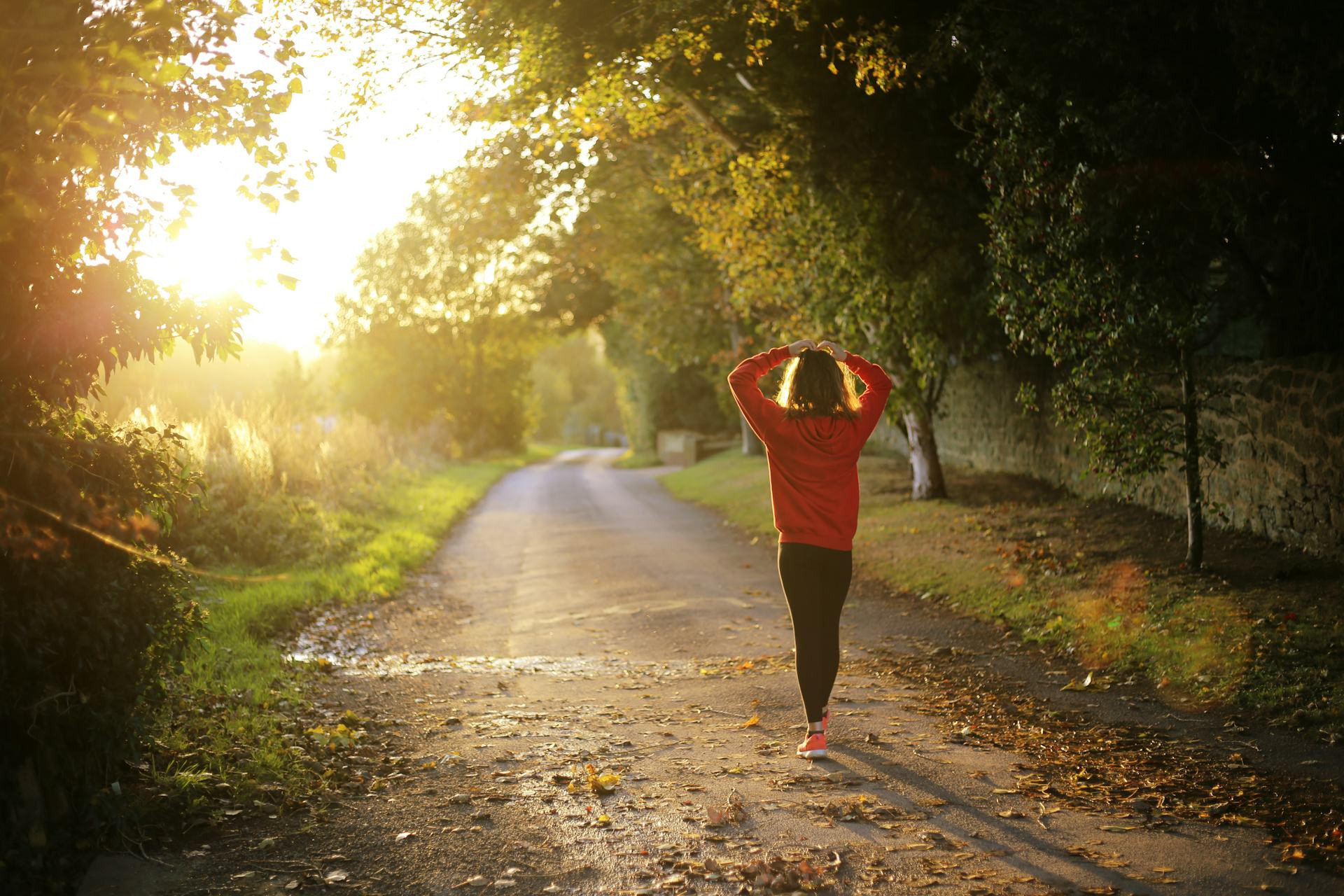
- Walking – simple, accessible, and gentle on the joints.
- Swimming or water aerobics – the buoyancy of water relieves pressure and allows for free movement.
- Prenatal yoga – builds strength, improves flexibility, and encourages relaxation.
- Light strength training – helps support posture and reduce back or pelvic discomfort.
Avoid activities with a high risk of falling or abdominal impact, such as horseback riding, contact sports, or skiing. If you’re unsure about a particular activity, consult your healthcare provider before continuing.
Læs også:




Mind-Body Connection and Emotional Balance
Pregnancy is as much an emotional journey as a physical one. Feelings of excitement, anxiety, and anticipation often come and go. Movement can be a powerful way to connect with your body and find calm amid these changes. Practices that emphasize breathing and mindfulness—like yoga or meditation—can help you stay centered and present.
Accepting your body’s changes and letting go of performance goals is part of the process. The goal isn’t to maintain your pre-pregnancy fitness level but to support your body as it nurtures new life.
After Birth – Finding a New Balance
Once your baby arrives, your body and daily rhythm shift again. Recovery takes time, and rest becomes even more precious. Start gently—short walks with the stroller and pelvic floor exercises are great first steps. Gradually increase your activity as your strength and energy return, and always check with your healthcare provider before resuming more intense workouts.
Balancing movement and rest doesn’t end with pregnancy—it continues into motherhood. Be patient with yourself, honor your body’s needs, and remember that caring for yourself is an essential part of caring for your baby.
Læs også: